Sewage coming up in Marietta?
Stop water use, including flushing toilets and running water-using appliances, and avoid contact with sewage. Request a local sewer assessment once you’re in a safe place.
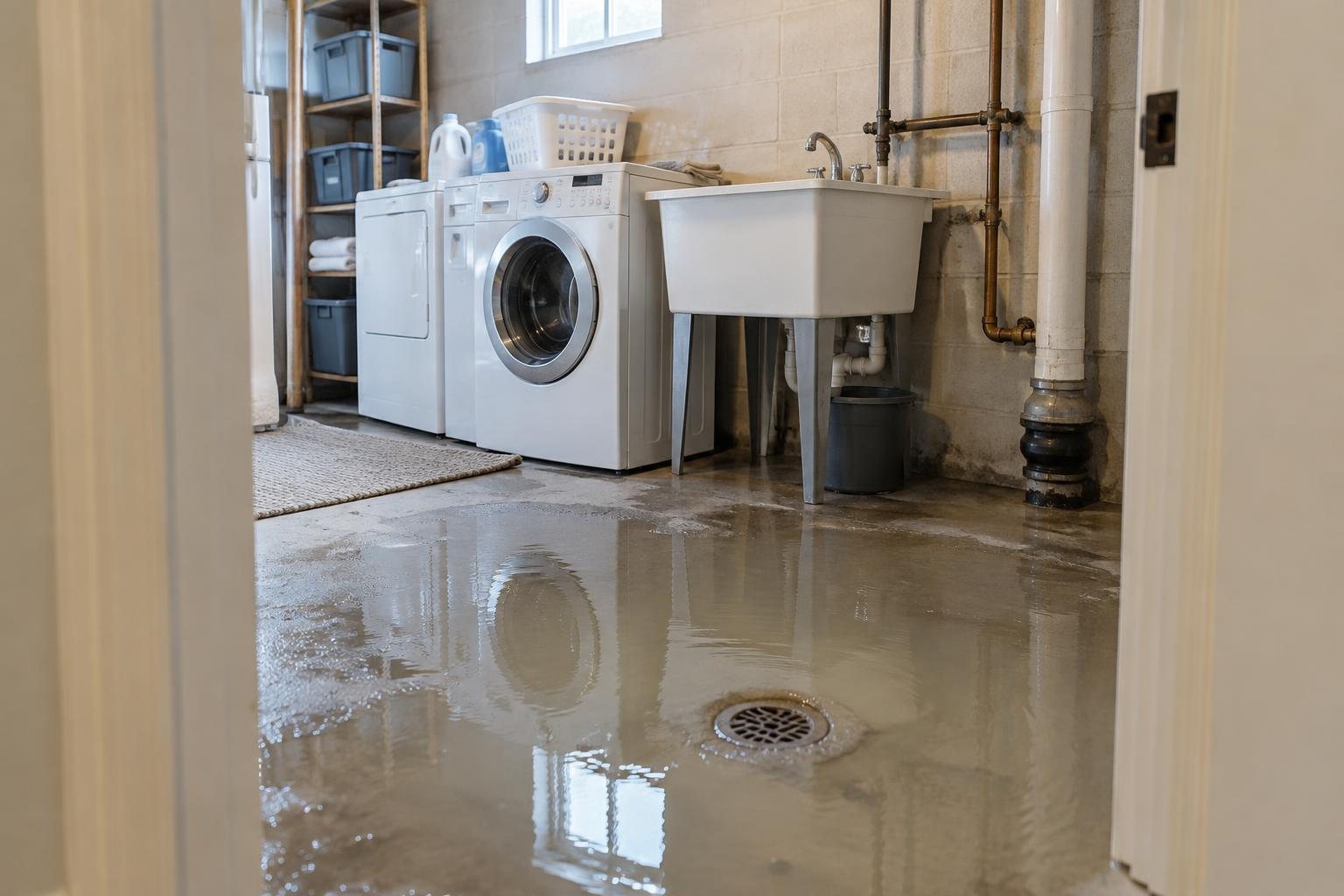
Request a local sewer assessment
Tell us which drains or toilets are affected, whether sewage is rising now, and whether this has happened before. Include any previous clearing or repair work you know about.
Share your ZIP and urgency to help route your request; provider coverage, availability and appointment timing require confirmation.
We connect your request with independent local plumbing providers.
What is backing up?
These details help a provider decide what to assess. Keep children and pets away from affected areas, and don’t run water or flush again to test the drains.
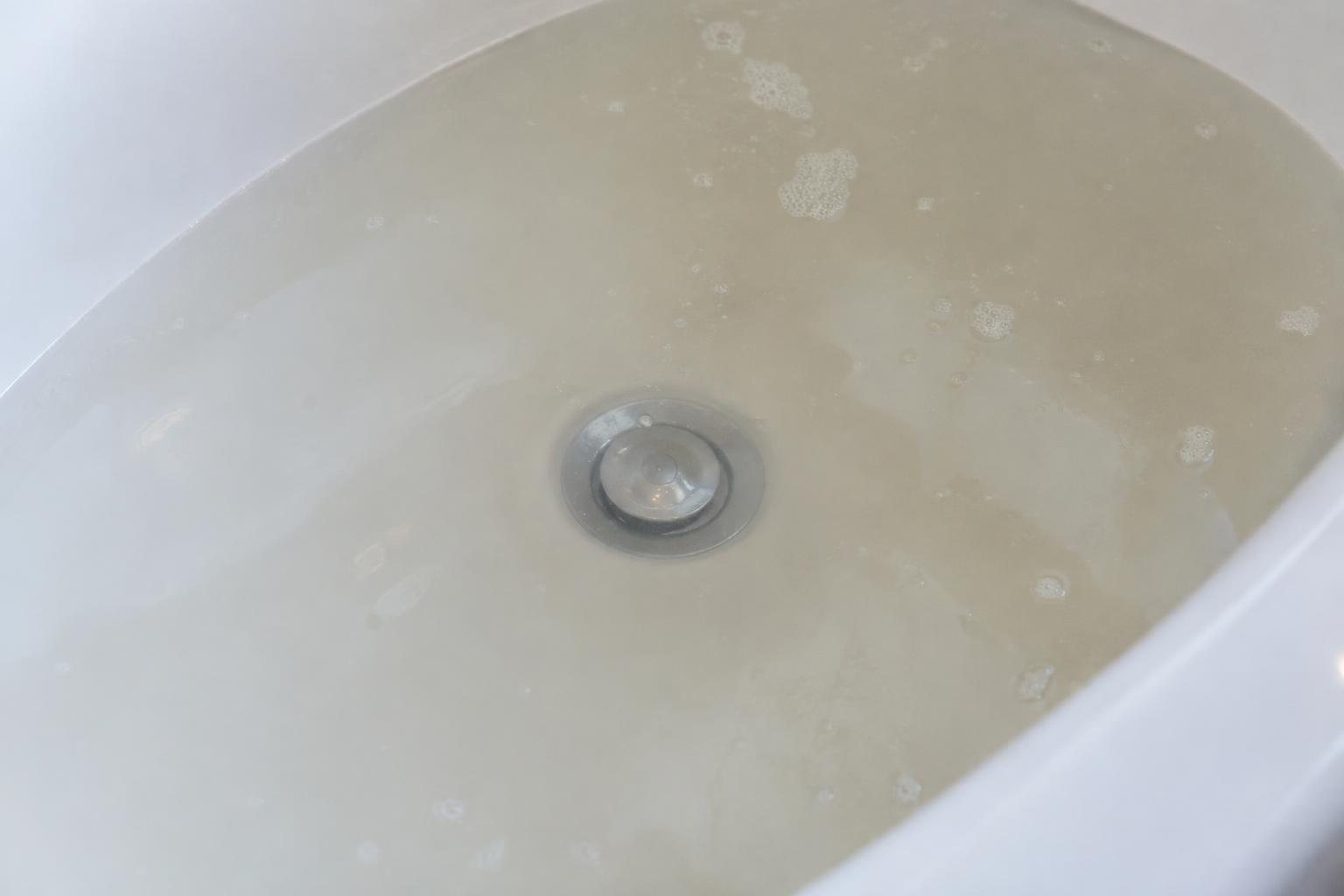
Sewage rising through drains
Note where wastewater appears—a shower, tub, floor drain or toilet—and whether it is still rising. Stay clear of the wastewater rather than trying to reach the drain.
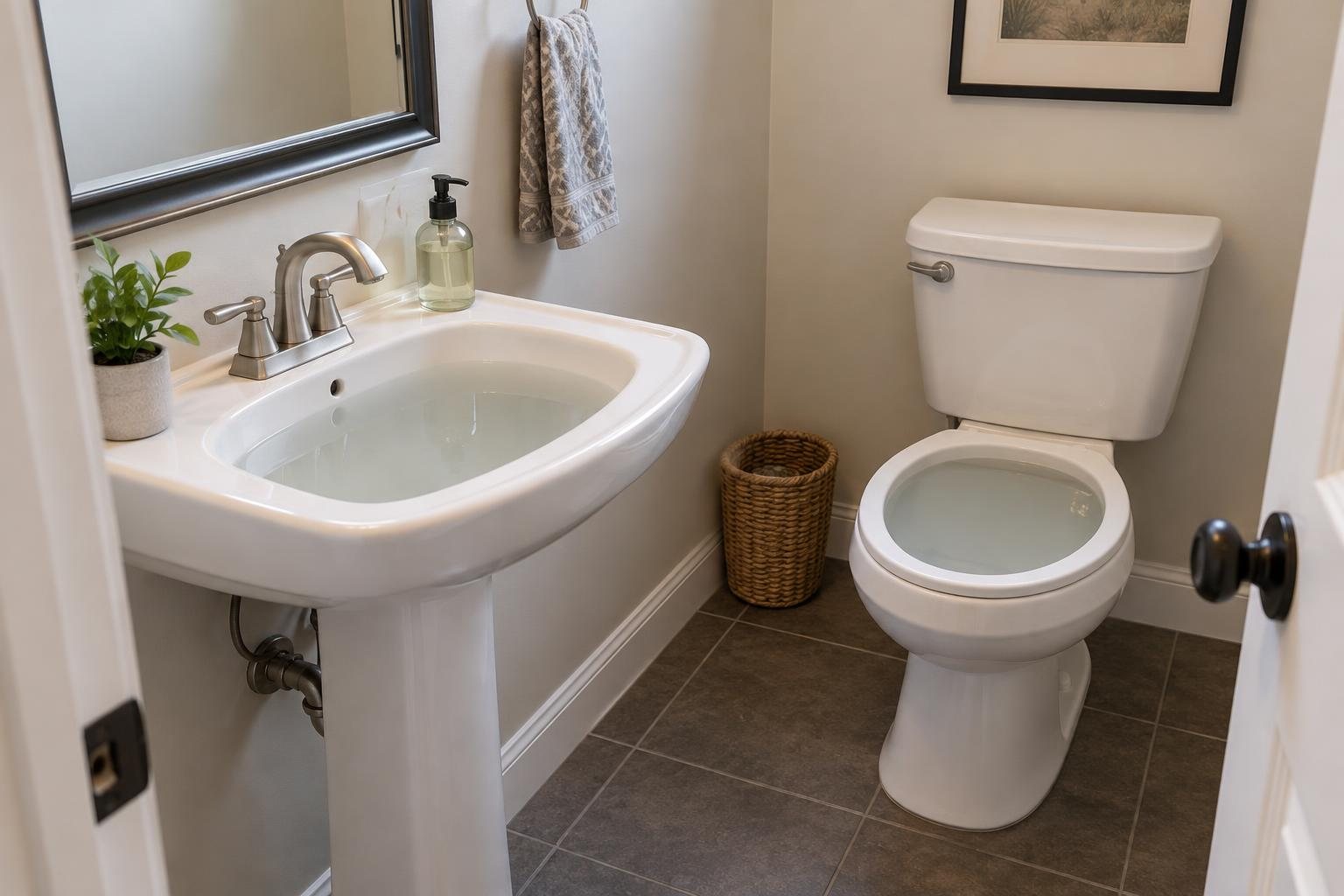
Several fixtures blocked
List each affected fixture and whether the trouble began at the same time. Multiple backups may involve a shared drain or sewer line, but an assessment is needed to establish the cause.
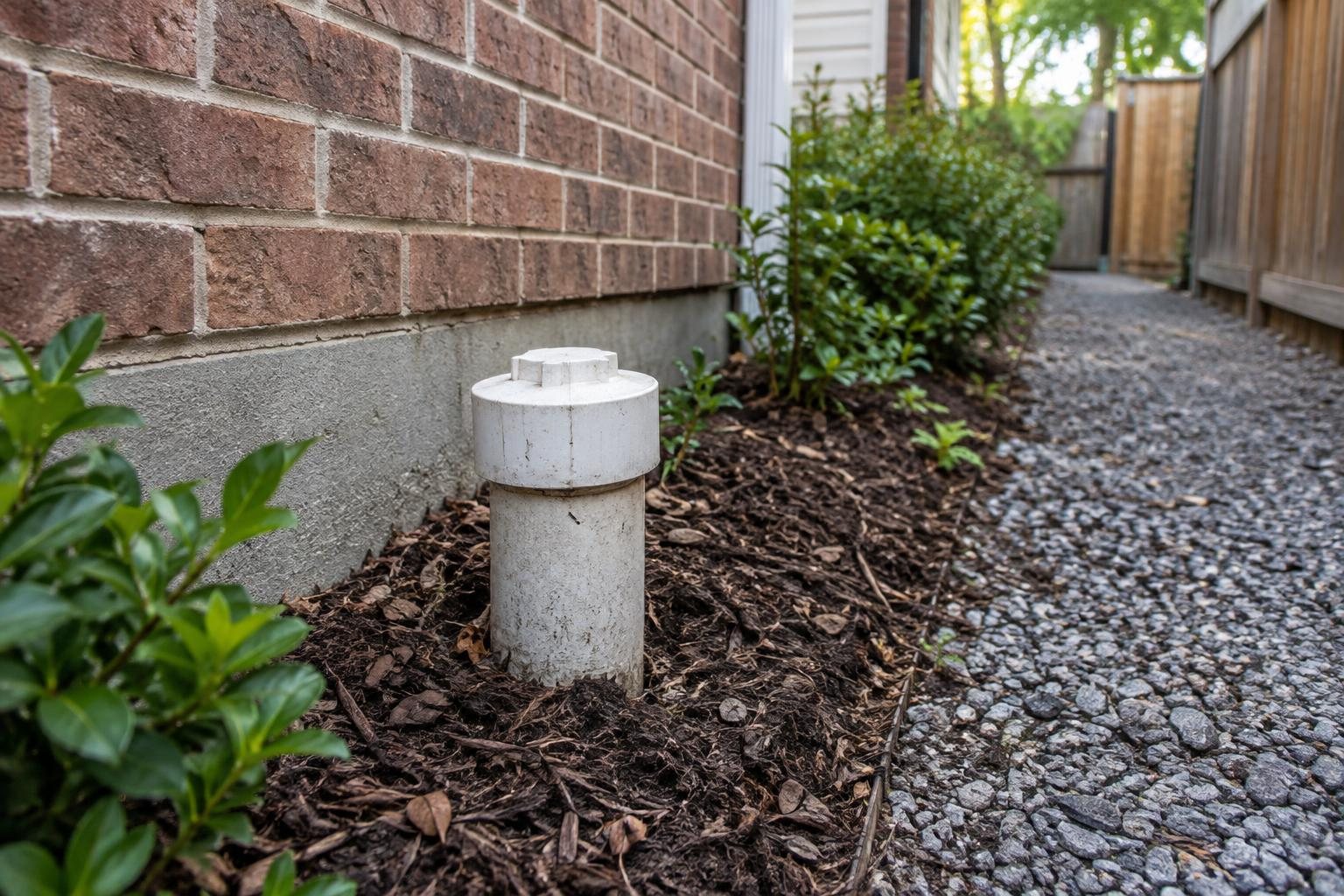
Backups that keep returning
Describe how often the backup returns and what happened after previous clearing or repairs. A recurring blockage needs its cause investigated; it does not automatically mean the line needs replacement.
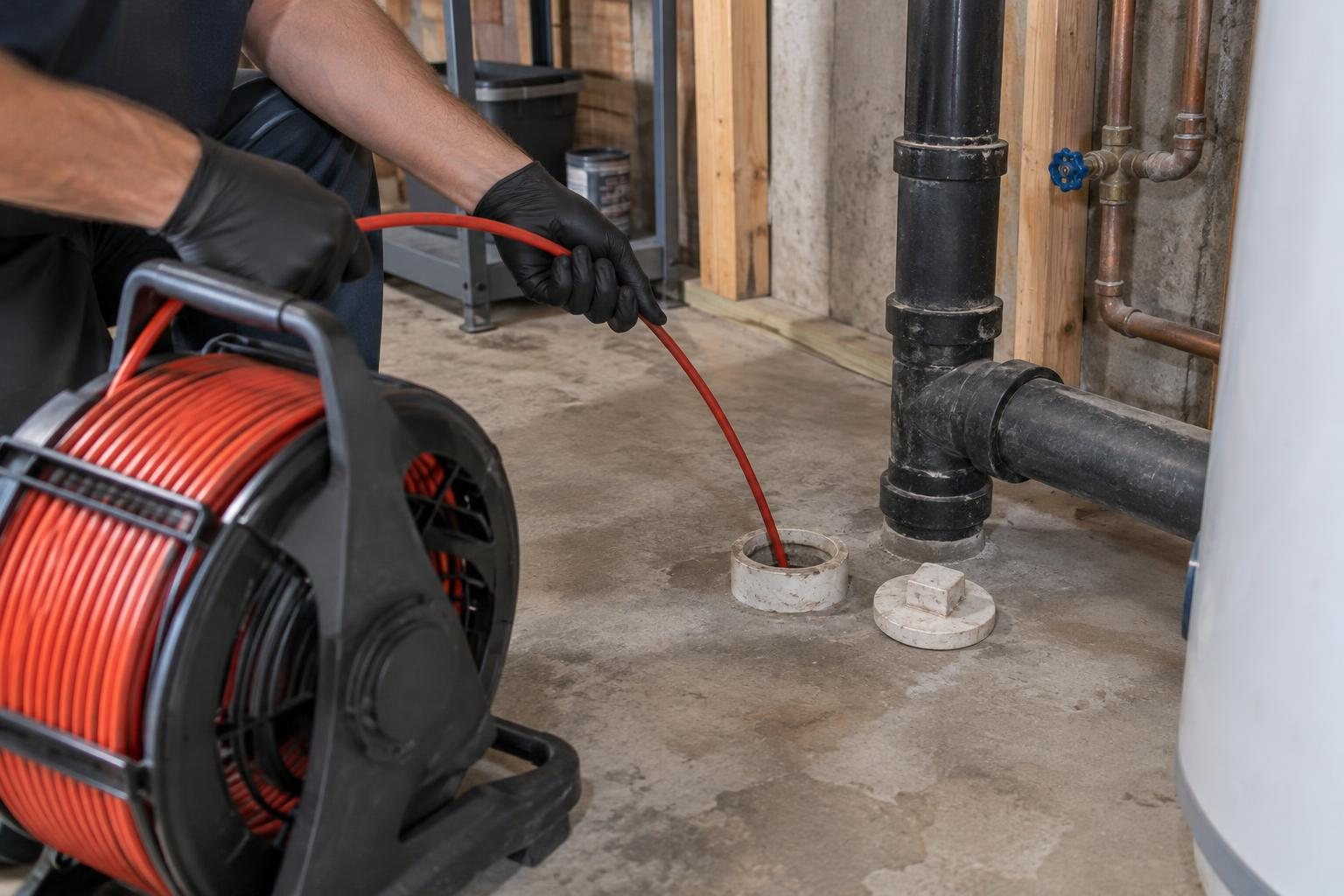
Inspect first. Decide the scope next.
A backup shows that wastewater is not draining properly; it does not establish where the problem is or how much work is needed. A provider’s inspection helps determine whether clearing a blockage, repairing part of the line or replacing a section is appropriate.
Ask what the assessment includes, whether there is a diagnostic fee, and whether a camera inspection would help identify the cause. Access and the condition of the line can affect what the provider can inspect and when.
Before approving work, ask to see the findings and get a written scope covering the proposed repair, access needs, restoration, exclusions and price. If replacement is recommended, ask why a smaller repair would not address the problem.
Describe the backup. Request help.
Share your Marietta ZIP, affected fixtures and urgency to request a local provider connection—not a confirmed appointment.