Marietta water heater: repair or replace?
Not sure what your water heater needs? Request a local assessment without deciding on replacement first.
If you smell gas or face immediate danger, leave the area and contact emergency services or the gas utility from a safe location—not through this form.
Request a water-heater assessment
Share your ZIP, what you have noticed and how urgently you need help. It is fine to say you are unsure whether repair or replacement makes sense.
A request is not a confirmed appointment. Provider availability, diagnosis, pricing and timing require confirmation.
We connect your request with independent local plumbing providers.
Four things to note before discussing options
Use what you already know or can observe safely. Unknown details should not stop you from requesting help.
Leaks and visible water
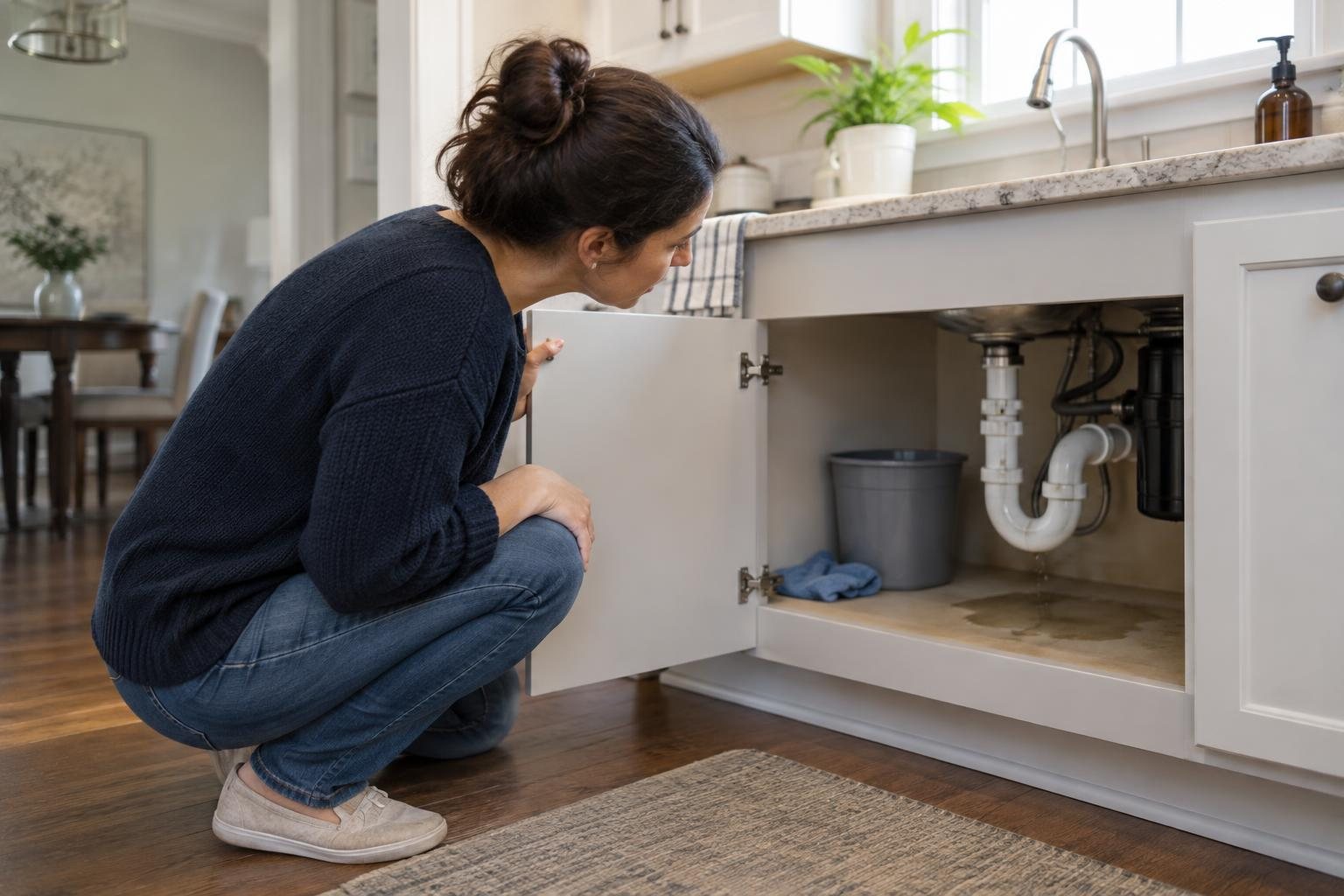
Describe where you see water without assuming it comes from the tank. A puddle alone does not establish the cause or the need for replacement.
Previous failures and repairs
Repeated trouble is useful context, not an automatic replacement verdict. Share any repair records you already have.

Household hot-water needs
Explain when hot water falls short. A change in household demand is different from a sudden loss of hot water.

Your existing equipment
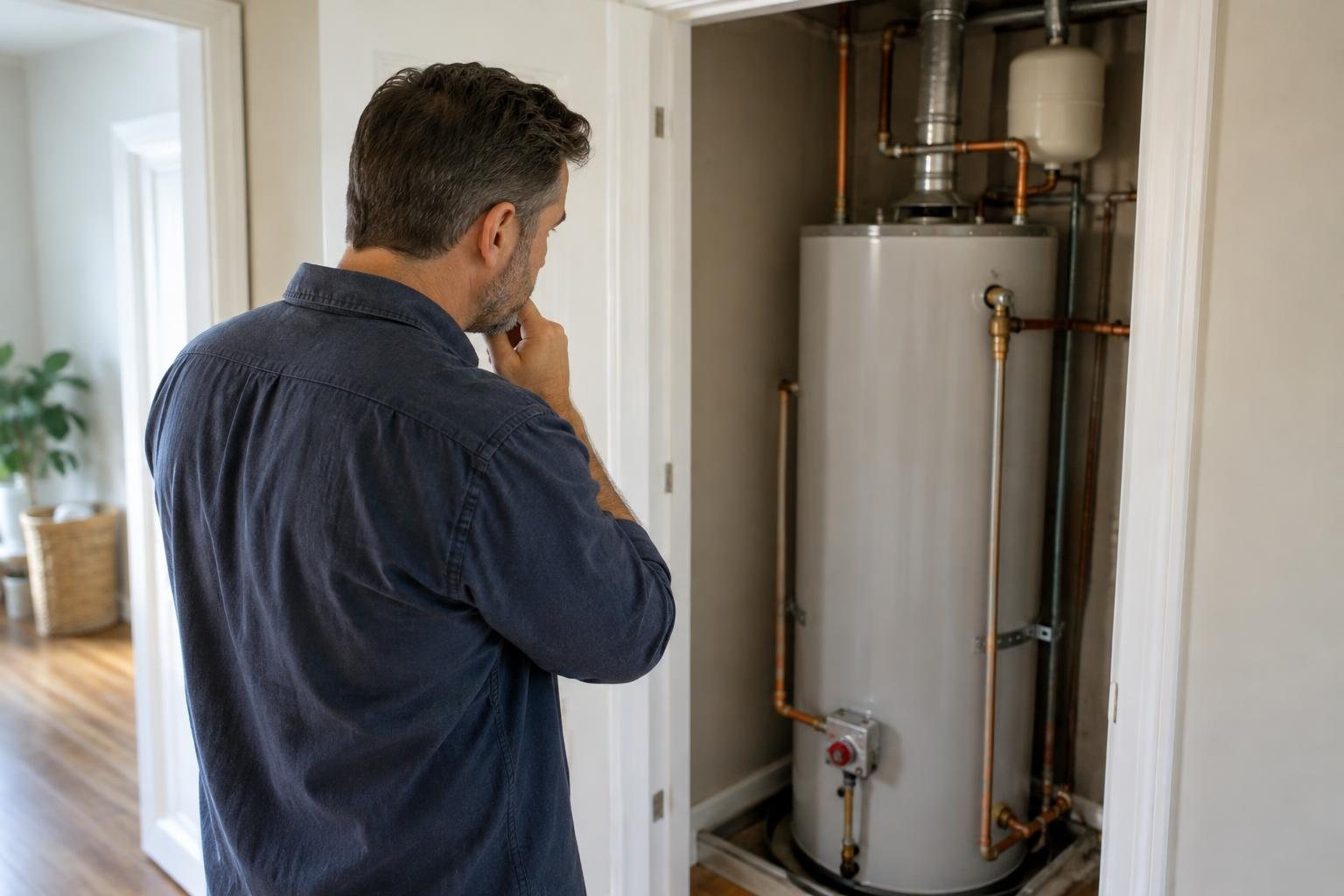
Note the setup if you know it; do not open covers or move equipment to find details. Mention access limits that could affect an assessment or installation.

Symptoms start the conversation—not the verdict
No hot water, recurring faults or water around the unit can prompt an assessment, but none gives you a complete repair-or-replace answer on its own. A provider needs to identify the cause and assess the equipment before recommending a path.
Do not attempt gas or electrical repairs, open equipment covers or enter wet areas near electrical equipment. Record symptoms or take photos only from a safe location.
Before approving work, ask what failed, what a repair would address and why replacement may be recommended. Ask about diagnostic fees and request a written scope that explains materials, access needs, exclusions and any proposed changes to the existing setup.
Choose the assessment you need
Choose repair help if you need the fault assessed or are still unsure; choose replacement help if you want a provider to assess a new unit and installation scope.